Immediate Steps to Take When a Dental Problem Becomes Urgent
Dental emergencies are unsettling, but quick, sensible actions can influence the outcome. If you experience sudden pain, uncontrolled bleeding, a knocked-out tooth, or a visible oral injury, prioritize safety first: rinse gently with warm water, apply light pressure to control bleeding with clean gauze, and use a cold compress externally to reduce swelling. Avoid placing aspirin or other painkillers directly on gums or teeth. These simple first steps can limit additional harm while you arrange professional care.
Not every urgent dental issue needs the same response. A severe toothache or swelling that affects breathing or swallowing requires immediate attention; a small chip that is not painful may be managed briefly at home until you can be seen. When in doubt, seek prompt evaluation — early triage helps prevent infection, preserve natural tooth structure, and reduce the need for more invasive treatment later on.
Our practice routinely advises patients on safe at-home measures they can take while en route to the office or a hospital. Keep a small dental kit with gauze, a saline rinse, and a container for a displaced tooth when possible. If a tooth is completely avulsed (knocked out), handle it by the crown, rinse it briefly if dirty, and try to keep it moist in saliva or milk; the sooner it is repositioned by a clinician, the better the chance of saving it.
- Toothaches and persistent dental pain
- Chipped, fractured, or broken teeth
- Dental abscesses and swelling
- Loose, dislodged, or broken fillings
- Dislodged or lost crowns and bridges
- Damaged or ill-fitting dentures
- Impacted or problematic wisdom teeth
- Acute periodontal flare-ups
- Cracked teeth with sharp edges
- Unexplained oral lumps, sores, or spots
- Bleeding or trauma to lips, tongue, or soft tissues
How We Assess and Prioritize Urgent Dental Needs
When you arrive for emergency care, the first goal is a rapid, focused assessment. Our clinicians gather a concise history of the event, evaluate pain and swelling, and perform a targeted oral exam. This triage determines whether immediate interventions are needed to control infection, stop bleeding, stabilize injured teeth, or address airway concerns. Clear, efficient communication helps set expectations and guide the next steps in treatment.
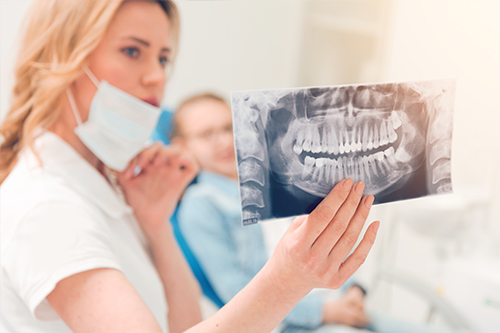
Diagnostic imaging is often part of the initial evaluation. Digital radiographs or cone-beam scans allow us to see fractures, root involvement, bone loss, and other hidden problems that a visual exam might miss. Having an accurate picture of the damage enables clinicians to recommend the most appropriate, least invasive option to restore function and comfort as quickly as possible.
Stabilization and pain control come next. Controlling inflammation and infection may involve local anesthesia, drainage of an abscess when necessary, or prescribing appropriate antimicrobial therapy. Pain management focuses on safe, evidence-based approaches tailored to each patient’s medical history. Throughout this process, the team explains findings and treatment options so patients can make informed decisions about their care.
Common Emergency Treatments — What to Expect
Treatment depends on the nature and severity of the problem. Minor chips and lost fillings can often be addressed with bonding or a temporary restoration to protect the tooth until a definitive solution is placed. More extensive fractures sometimes require a crown to reestablish form and function. When the tooth’s nerve is affected, root canal therapy is a widely used method to relieve pain and preserve the natural tooth.
For teeth that cannot be saved due to extensive damage or advanced infection, extraction may be the safest option. Removing the source of infection protects neighboring teeth and overall health. After extractions, we discuss timely restorative choices so patients understand how to restore chewing function and appearance. Modern options range from fixed bridges to removable prostheses and dental implants, which are designed to replace missing teeth predictably.
In some cases, emergency care is a staged process: an initial visit to manage pain and infection followed by a planned restorative appointment. Temporary solutions are intentionally conservative so clinicians can reassess healing before placing long-term restorations. This measured approach increases the likelihood of durable, comfortable outcomes while minimizing unnecessary procedures.
Comfort, Safety, and Technology in Emergency Care
Comfort and safety are central to urgent dental treatment. We use contemporary anesthesia techniques to control pain, and patient comfort measures are tailored to each individual. For anxious patients, nonjudgmental communication and gentle chairside care reduce stress during what is often an emotional visit. Infection-control protocols and up-to-date sterilization practices are applied consistently to protect all patients and staff.
Advanced diagnostic and treatment tools improve speed and accuracy during emergencies. Digital X-rays and intraoral cameras help clinicians identify problems quickly and explain them visually. When appropriate, three-dimensional imaging (CBCT) provides detailed views of complex fractures, impacted teeth, or bony involvement. These technologies contribute to faster diagnoses and more precise treatment planning, which is especially important in time-sensitive situations.
Coordination with other specialists is part of comprehensive emergency care. If a case requires oral surgery, endodontics, or medical consultation, the team arranges timely referrals so treatment continues smoothly. Doctor-led decision making ensures continuity and clarity from the initial visit through recovery and any necessary follow-up procedures.
Restoration, Recovery, and Long-Term Oral Health
After urgent concerns are stabilized, the focus shifts to restoring long-term oral health. Follow-up visits allow clinicians to monitor healing, complete definitive restorations, and address any functional or cosmetic concerns. A thoughtful treatment plan considers the patient’s overall oral health, occlusion (bite), and aesthetic goals to create durable outcomes that fit into daily life.
Replacing missing teeth is an important step in preventing secondary problems such as shifting teeth, bone loss, and altered chewing patterns. Contemporary restorative options include fixed bridges, removable partials, and dental implants — the latter often being the most natural-feeling solution for single-tooth replacement. Your dentist will review options, clinical indications, and the timeline for each approach so you can choose the path that best suits your needs.
Prevention is ultimately the best way to reduce future emergencies. Once immediate issues are resolved, patients receive personalized guidance on oral hygiene, protective appliances (like night guards or sports guards), and regular checkups to identify concerns early. With attentive follow-up and patient partnership, it’s possible to minimize the risk of repeat urgent visits and maintain a healthy, resilient smile.
At Zen Dentistry, our emergency treatment approach combines rapid assessment, evidence-based interventions, and clear communication to help patients regain comfort and function. If you have questions about how we handle urgent dental problems or would like more information about our emergency services, please contact us for more information.