Missing teeth can affect more than just your smile — they change the way you eat, speak, and feel about yourself. Advances in implant dentistry give patients predictable, long-term solutions that restore both function and appearance. With a careful evaluation and a personalized treatment plan, many people regain the natural comfort and confidence they thought was lost.
At our office, we approach implant care with an emphasis on precise planning, conservative treatment, and clear communication. Whether a single tooth is absent or a patient needs a full-arch restoration, implants are designed to integrate with your body and act much like a natural tooth root. That stability makes it possible to support a wide range of restorations, from a single crown to a full, fixed bridge.
Choosing implants is a long-term decision that begins with understanding what implants can and cannot do for your smile. We focus on realistic outcomes and on educating patients about each step — from initial imaging to final restoration — so they can make informed choices that align with their health goals and lifestyle.

Dental implants are titanium or ceramic posts placed into the jaw where they bond with the surrounding bone over time. This process — called osseointegration — creates a strong foundation similar to a tooth root and allows the replacement tooth to perform naturally when biting and chewing. Because the implant is anchored in bone, it reduces the micromovement often experienced with removable dentures.
Once an implant integrates, it supports a prosthesis that is custom-designed to match the shape, color, and function of the missing tooth. The goal is not only to restore appearance but to reestablish proper chewing efficiency and speech patterns. For most patients, the result is a restoration that is comfortable and stable in everyday life.
Importantly, implants preserve neighboring teeth. Unlike traditional bridges, which may require altering adjacent teeth for support, implant restorations are self-supporting. This conservative approach helps maintain as much of your natural tooth structure as possible while delivering predictable performance.
One of the fundamental benefits of implants is their ability to preserve bone. When a tooth is lost, the underlying bone no longer receives the stimulation it needs and may begin to resorb. An implant replaces that stimulation, helping maintain the height and contour of the jawbone and preventing some of the facial changes associated with tooth loss.
Longevity is another key consideration. With careful placement, proper oral hygiene, and regular professional care, implant-supported restorations can last for many years. They are not susceptible to decay in the way natural teeth are, and they eliminate many of the functional compromises associated with removable options.
Patients often experience improved comfort and confidence with implants. Because restorations are securely anchored, speaking and eating feel more natural and reliable. That stability also reduces the need for adhesives or frequent adjustments, simplifying daily care routines.
Implant therapy is valued for the balance it offers between aesthetics and function. Here are some of the benefits patients commonly experience when implants are part of their treatment plan:

Most adults who are in generally good health and have sufficient jawbone can be considered for implants. The candidacy evaluation looks at medical history, oral health, gum condition, and bone volume. Our clinicians use digital imaging and a thorough exam to determine the most appropriate path forward.
Even when bone volume is reduced or gum disease is present, modern techniques often offer solutions. Procedures such as bone grafting or guided bone regeneration can rebuild the foundation needed for implant placement, broadening the range of patients who can benefit.
We treat each case individually and recommend options that align with a patient’s functional needs and esthetic expectations. The goal is to create a treatment plan that is safe, predictable, and tailored to the person sitting in the chair.
Successful implant treatment begins with detailed planning. Digital X-rays and three-dimensional imaging allow us to map bone anatomy and plan implant placement with high precision. This planning stage informs surgical guides and helps predict the ideal implant size and position for optimal results.
Implant placement is typically performed as an outpatient procedure. The extent of surgery depends on how many implants are needed and whether preparatory work — such as extractions or bone grafts — is required. Most patients tolerate the procedure well, and options for local anesthesia or sedation are discussed in advance to ensure comfort.
After placement, implants need time to integrate with bone. Temporary restorations may be provided when appropriate, followed by final crowns, bridges, or prostheses once healing is complete. Throughout this period, we provide clear post-operative instructions and monitor healing to support the best outcome.
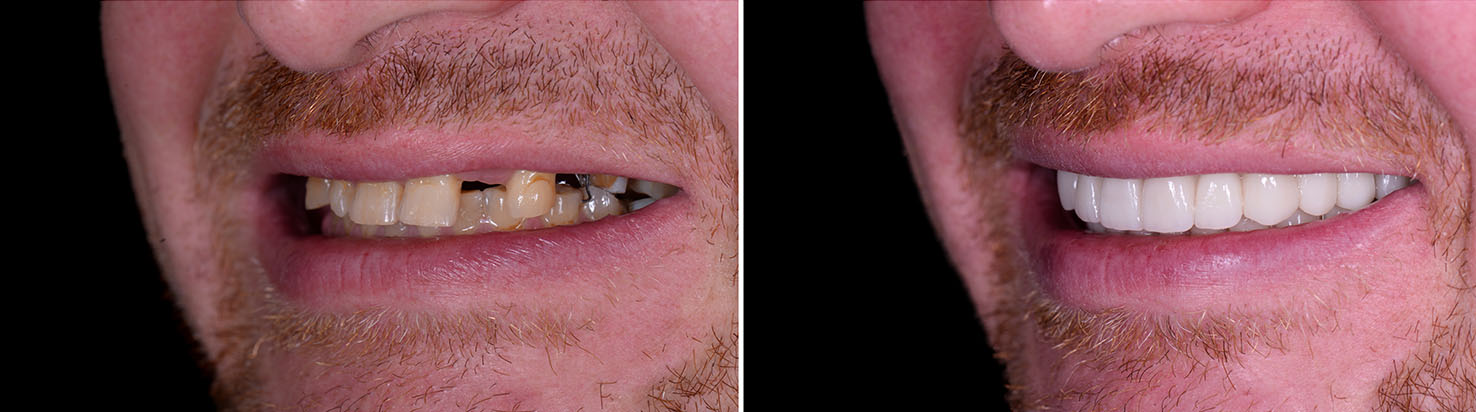
Bone grafting is a common adjunct to implant therapy when the jawbone lacks the volume needed to support an implant. Bone can be augmented at the site of an extraction or prepared in advance, creating a stable base for future implant placement. The graft material may come from a variety of sources and is selected for safety and predictable integration.
The grafting process is designed to restore the contours of the jaw so implants can be positioned in their ideal locations. Healing times vary depending on the procedure, but with modern materials and techniques, many patients achieve the bone support necessary for durable implant results.
Our clinicians will explain whether a graft is advisable and outline the expected timeline for healing and subsequent implant placement. Clear communication helps patients understand each phase and feel confident moving forward.
Dental implants offer a durable and natural-feeling option for replacing missing teeth, improving both oral health and quality of life. With careful planning, modern imaging, and personalized treatment, most patients can achieve a reliable, long-lasting restoration that suits their needs.
Our practice emphasizes patient education and individualized care so you can make an informed choice about implant treatment. If you’d like to learn more about how implants might work for your smile, our team is ready to discuss your options and answer questions in a straightforward way.
Please contact us for more information or to arrange a consultation — we’re here to help you explore the best path to a healthy, confident smile.
If you've lost a tooth due to injury, decay, gum disease, or any other reason, we recommend dental implants to replace missing teeth. Dental implants come the closest to replicating the look, feel, and function of your natural teeth.
Dental implants are placed into the jawbone and mirror the same function as the root of a tooth. The procedure for dental implants is usually performed while a patient is sedated. Patients who undergo IV sedation must have an empty stomach and transportation home following the procedure. Most sedation patients will have little to no memory of the procedure occurring.
Generally, dental implants are made out of a biocompatible metal such as titanium. Biocompatible metals are also used for other common bone implants (such as shoulder, hip, and knee replacements). The visible portion of the implant is usually made out of porcelain and is custom-made to match your existing teeth.
Dental implants are designed to fuse to the bone, which makes them become permanent fixtures. Typically speaking, the success rate is nearly 100%. There are few cases in which the implant will not fuse as intended and must be removed. If this happens to occur, the procedure can be attempted again a few months later.
Dental implants are not usually covered by dental insurance, but may be covered under a patient's medical insurance. Our office and your insurance company can discuss coverage options with you based on your individual case and treatment plan.
It's easy... just take care of an implant as if it's a natural tooth! This involves regular brushing, flossing, and dental checkups. If you have any concerns about your implant, contact us immediately.
A dental implant is a small biocompatible post, most often made of titanium, that is surgically placed into the jaw to replace a missing tooth root. After placement, the implant integrates with the surrounding bone through a process called osseointegration, creating a stable anchor. This fused foundation supports a prosthetic restoration such as a crown, bridge, or denture and restores the ability to chew and speak normally. Implants also help preserve jawbone volume and facial structure by providing ongoing stimulation to the bone.
Implants are designed to function much like natural teeth, transferring biting forces to the jaw and allowing for predictable long-term use when properly planned and cared for. The visible portion of the tooth—the crown or prosthesis—is custom-made to match the patient’s bite, color, and facial proportions. Because the implant replaces the root as well as the tooth, it avoids the need to alter adjacent healthy teeth in many cases. Overall, dental implants are regarded as a durable and biologically sound solution for tooth replacement when patients are appropriate candidates.
Good candidates for dental implants are patients with one or more missing teeth who have adequate bone volume or can have bone restored, healthy gums free of untreated periodontal disease, and overall medical conditions that allow for routine surgical procedures. A thorough evaluation includes a review of medical history, dental exam, and three-dimensional imaging to assess bone quality and important anatomical structures. Factors such as smoking, poorly controlled diabetes, or certain medications can affect healing and are discussed during evaluation but do not automatically rule someone out.
During the consultation, clinicians consider each patient’s oral health goals, functional needs, and lifestyle to develop an individualized plan. When bone or soft tissue deficiencies exist, additional procedures such as bone grafting or sinus augmentation can often create the conditions needed for successful implant placement. The planning phase also addresses timing for temporary restorations and any sedation needs so patients understand the full treatment pathway before proceeding.
Dental implant restorations range from single crowns that replace one missing tooth to implant-supported bridges for several adjacent teeth and full-arch fixed prostheses that restore an entire dental arch. Implant-retained overdentures are another option and attach to a set of implants to improve retention and stability while remaining removable for cleaning. The restoration type depends on how many teeth are missing, the condition of the supporting bone, and the patient’s functional and aesthetic goals.
Clinicians select restorative materials and designs based on strength, appearance, and the forces in the mouth, using ceramic crowns for single-tooth cases and hybrid or zirconia frameworks for larger bridges and full-arch work. Strategic implant placement allows fewer implants to support multiple teeth in many cases, and digital planning helps optimize prosthetic outcomes. Your clinician will explain the pros and cons of each restorative approach as part of the personalized treatment plan.
The dental implant process begins with comprehensive treatment planning that uses clinical examination, dental models, and three-dimensional imaging to determine optimal implant size, position, and restorative design. On the day of surgery, local anesthesia and, when appropriate, sedation options are provided to ensure patient comfort during implant placement. The implant is then surgically placed into the jawbone, and the soft tissues are sutured to allow healing while the implant integrates with the bone.
After the surgical phase, a period of healing—typically several months—is allowed for osseointegration before the final restoration is attached, though in some cases a temporary prosthesis can be placed immediately. Once integration is confirmed, an abutment is attached and impressions or digital scans are taken for the final crown, bridge, or denture. Follow-up visits are scheduled to monitor healing, adjust the restoration as needed, and review long-term maintenance instructions with the patient.
Bone grafting is sometimes necessary when there is insufficient jawbone volume to support an implant securely, a situation that can result from tooth loss, periodontal disease, or long-term denture wear. A bone graft restores or augments the ridge using the patient’s own bone, donor bone, or synthetic graft materials to build a stable foundation for implant placement. The decision to graft is based on clinical evaluation and imaging that shows the amount and quality of available bone at the intended implant site.
When grafting is required, procedures range from small localized grafts performed at the time of extraction to larger augmentations or sinus lifts that may precede implant placement by several months. Healing times vary depending on the graft type and location, and the clinician will explain the anticipated timeline and follow-up needed to confirm readiness for implant surgery. Proper graft integration increases the likelihood of predictable, long-term implant success.
Recovery after implant surgery commonly includes mild to moderate swelling, bruising, and some soreness that typically peaks within a couple of days and improves thereafter with appropriate aftercare. Patients are given specific post-operative instructions such as using cold packs, following a soft diet for a short period, maintaining oral hygiene around the surgical site, and taking any prescribed medications as directed. Most normal daily activities can be resumed within a day or two, although strenuous exercise should be postponed until healing has progressed.
Follow-up visits are scheduled to monitor healing and suture removal if needed, and the clinician will track osseointegration through clinical checks and imaging. Any signs of persistent pain, heavy bleeding, or unusual swelling should be reported promptly so they can be evaluated and managed. Clear communication about symptoms and adherence to care guidelines helps ensure a smooth recovery and successful integration of the implant.
When implants are properly planned, placed, and maintained, they can last for many years and often for the lifetime of the patient, though longevity depends on factors such as oral hygiene, systemic health, and regular professional care. Implants themselves do not decay, but the surrounding gum tissue and bone can be affected by periodontal disease if not maintained, so daily brushing and interdental cleaning are essential. Regular dental checkups and professional cleanings allow early detection and management of any issues around implants.
Patients should adopt home-care routines that include thorough cleaning around implant restorations using floss, interdental brushes, or other recommended instruments and avoid habits that place excessive force on restorations, such as chewing very hard objects. For patients who grind or clench, a protective nightguard can help reduce damaging forces on implants and prosthetic components. Ongoing maintenance, combined with prompt attention to any changes, helps support the long-term health and function of implant-supported restorations.
Dental implant treatment, like any surgical procedure, carries potential risks including infection, bleeding, swelling, and implant failure in a small percentage of cases. Other complications can include nerve irritation or injury with altered sensation, sinus involvement when placing implants in the upper jaw, and peri-implant mucositis or peri-implantitis if soft tissues and bone are not properly maintained. Many of these risks are minimized through careful preoperative planning, appropriate surgical technique, and patient adherence to post-operative instructions.
When complications occur they are often manageable with timely intervention such as antibiotic therapy, surgical revision, or removal and replacement of a failing implant when necessary. Preventive measures—including controlling periodontal disease prior to implant placement, smoking cessation, and optimizing systemic health—significantly reduce the likelihood of problems. Open communication with the treating team and prompt reporting of any concerning symptoms are key to addressing issues early and preserving implant outcomes.
Yes, implants can support full-arch restorations using concepts such as All-on-4 or All-on-6, where a strategic number of implants are placed to support a fixed prosthesis that replaces all teeth in an arch. These approaches use angled or longer implants in specific positions to maximize available bone and often allow for immediate provisional teeth, improving function and aesthetics quickly after surgery. Full-arch implant solutions provide a fixed or hybrid prosthesis option that eliminates many of the functional limitations associated with conventional removable dentures.
Not every patient is a candidate for a particular full-arch protocol, so a detailed evaluation that includes three-dimensional imaging and assessment of bone, soft tissue, and overall health is necessary. Treatment planning also addresses hygiene access, prosthetic design, and long-term maintenance to ensure predictable outcomes. When appropriate, full-arch implant restorations can dramatically improve chewing efficiency, speech, and patient confidence compared with unsupported dentures.
At Zen Dentistry, implant treatment planning begins with a comprehensive examination that includes a review of medical history, intraoral assessment, and advanced imaging such as CBCT to map bone anatomy and critical structures. The doctors emphasize doctor-led care and personalized plans that consider each patient’s functional needs, aesthetic goals, and any restorative or periodontal concerns. Digital workflows and careful prosthetic planning are used to determine optimal implant positions and the type of restoration that will deliver the best long-term result for the patient.
Communication and informed consent are central to the office approach, with clinicians explaining each step of the process, discussing sedation options when appropriate, and outlining expected timelines for healing and restoration. After care, the team provides maintenance recommendations and schedules follow-ups to monitor implant health and prosthesis function. This coordinated, patient-focused process helps ensure predictable outcomes and supports lasting oral health for patients in Park Slope and the surrounding communities.