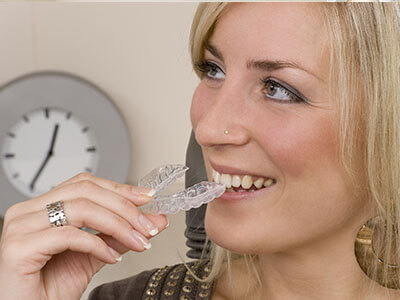
Invisalign® for Teens
Invisalign® offers a modern, low-profile alternative to traditional braces — a discreet series of clear aligners crafted to shift teeth gently and predictably. For many adults and teens, the appeal lies in a treatment that blends into daily life: aligners are nearly invisible, removable for eating and cleaning, and planned using advanced digital tools so each step is calculated for comfort and efficiency.

Invisalign® for Teens

Invisalign® for Brides

Invisalign® for Travelers
Before & After Photos
Invisalign® Videos
FAQs
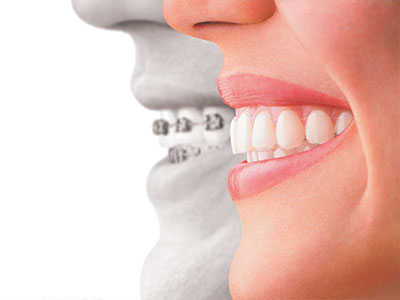
Invisalign® vs Braces
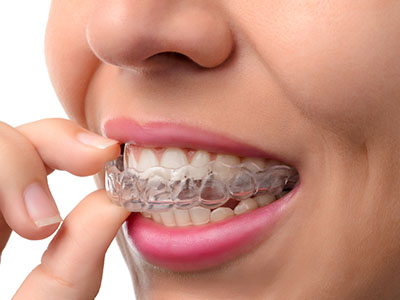
Invisalign® vs Direct-To-Consumer Aligners
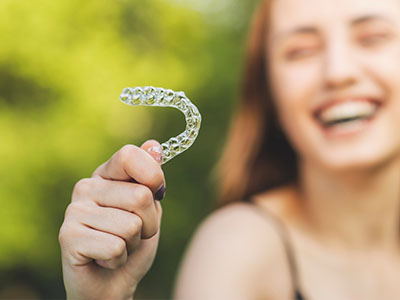
Is Invisalign® Right For Me?
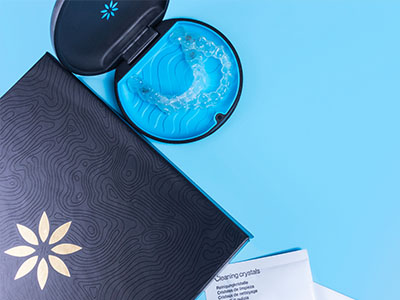
Invisalign® Costs
Clear aligner therapy represents a shift toward treatment that prioritizes patient experience without compromising clinical control. Using a sequence of custom trays, clinicians can stage tooth movements in carefully measured increments so changes occur gradually, reducing discomfort and allowing regular life activities to continue without interruption.
Modern aligner systems rely on detailed three-dimensional scanning and software-driven treatment planning. These digital models let your dentist visualize the entire course of movement from the current position to the planned outcome, review intermediate stages, and make adjustments to the plan before manufacturing the trays.
Because each aligner is designed for a specific phase, the system enables predictable progression and consistent monitoring. Regular check-ins allow your clinician to verify fit and movement, and to make refinements when needed so you stay on track toward your treatment goals.
At the heart of Invisalign® is a combination of precise imaging, custom appliance fabrication, and iterative planning. A high-resolution intraoral scan captures the unique anatomy of your teeth and bite, producing the data used to create a step-by-step movement map. That map translates into a series of trays, each slightly different, that guide teeth toward their final positions.
This process benefits from decades of aggregated clinical data and engineering improvements. Treatment planning software accounts for common biomechanical factors and refines how much movement is assigned to each tray. The result is a balanced process that manages tooth movement while keeping treatment timelines as efficient as possible.
Beyond the digital planning, materials science matters. Aligners are manufactured from clear, durable polymers engineered to provide consistent force while remaining comfortable against soft tissues. The removable nature of the trays also supports oral hygiene and reduces the dietary restrictions commonly associated with fixed appliances.
One of the most practical advantages of clear aligners is their removability. You can take them out for meals and while brushing and flossing, which simplifies oral hygiene and helps prevent plaque buildup around appliances. Most patients wear aligners for the majority of the day, returning them after short breaks for eating or special occasions.
Comfort is a common priority. Because aligners are smooth and custom fit, they tend to cause less irritation than traditional brackets and wires. Some patients experience transient sensitivity after switching to the next aligner in the series — a normal part of tooth movement that generally subsides within a few days.
Staying compliant with wear time and following your clinician’s guidance on switching trays are important for predictable results. Regular reviews at the dental office let your dentist confirm progress and address any fit or tracking concerns early, which helps ensure the treatment follows the intended plan.
As pioneers in the field of aligner development and technology, the folks at Align Technology, Inc. gather data from millions of treated smiles to design treatment systems that:
Custom-made to the exact specifications of your smile, Invisalign® clear aligners are designed to incrementally move your teeth into their correct positions over time. Simply swap-out last week's aligner for the next one in the series and watch as your smile progressively shows signs of improvement.
And, because Invisalign® clear aligners are removable for short periods of time, you can still enjoy the foods you love as well as brush and floss your teeth with ease!
Your first clinical visit focuses on capturing a clear record of your current alignment and discussing your goals. Digital scans and photographs form the baseline, and your dentist will use these to build a virtual treatment roadmap that illustrates expected stages and end-position goals for your teeth.
Once the plan is finalized, a custom set of aligners is manufactured to match the sequence outlined in the software. You’ll receive instructions on wear time, tray handling, and how often to exchange aligners. Periodic in-office evaluations ensure that teeth are moving according to plan and provide opportunities to address attachments, refinements, or other adjustments when necessary.
Communication is a key component of successful care. Your dentist will explain what to expect at each check-up, how to manage common temporary sensations, and when to contact the office if something unusual occurs. This collaborative approach keeps the treatment process transparent and patient-centered.
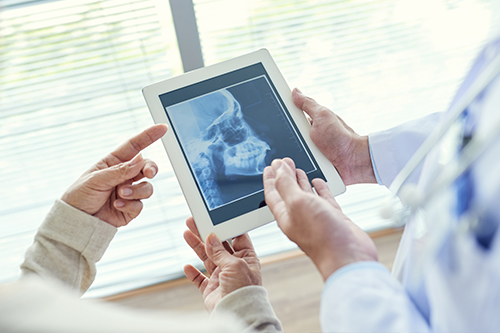
During the consultation, your clinician evaluates alignment, bite relationships, and oral health to determine whether clear aligners are an appropriate option. This is also an opportunity to outline realistic goals and timelines based on your diagnostic findings.
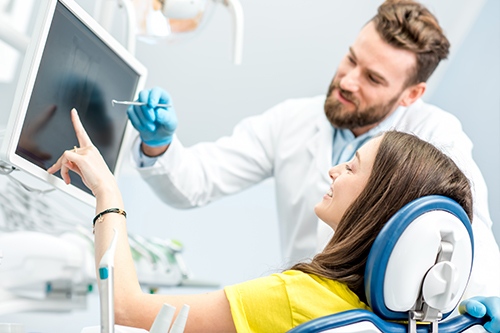
High-resolution digital scans create a virtual model of your teeth and allow you and your dentist to preview projected outcomes. Seeing the staged movements before treatment starts helps set clear expectations and supports informed decision-making.
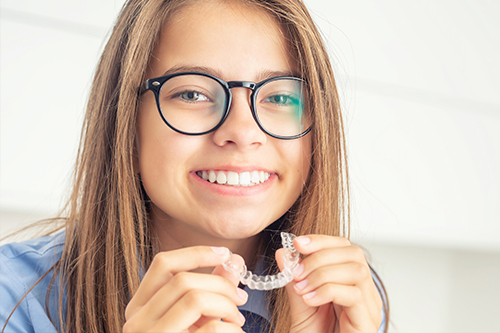
Each aligner is manufactured to fit your mouth precisely and deliver the gentle forces planned in the digital prescription. The result is a system designed to be both effective and comfortable for daily wear.

From the first delivery of aligners through completion, your dental team provides regular assessments to confirm progress and make any necessary refinements. This hands-on oversight helps maintain predictable, high-quality results.
Short videos that demonstrate the aligner process and typical clinical milestones
*Invisalign® is a registered trademark of Align Technology, Inc.
At Zen Dentistry, we prioritize clear communication and careful clinical planning to help patients explore whether clear aligner therapy is the right path for their smiles. If you’re curious about how Invisalign® could fit into your dental care, contact us for more information and to schedule a consultation.
There are many options for patients who want to avoid metal braces! The most popular alternative orthodontic treatment is Invisalign®, which are clear plastic aligners designed to straighten teeth. After an examination of your teeth, your dentist will determine which option is best suited to your wants and needs.
According to the Invisalign® website, the cost for treatment is approximately the same as the cost for metal braces. A portion of this cost may be covered by your insurance. Please call us to set up a consultation and discuss potential payment plan options.
The first step is to schedule a consultation with your doctor, so they can devise a treatment plan that is best suited to your individual dental needs. Once approved, you will receive your first set of aligners. Your doctor will then regularly monitor the movement of your teeth and new aligners will be ordered according to the progress made in your treatment plan.
Invisalign® aligners are made of clear, flexible plastic. The company received a patent for this material – SmartTrack® – to be used exclusively for Invisalign treatment purposes. These aligners are FDA approved and nearly invisible!
Your doctor will give you an estimate regarding how long your Invisalign® treatment should take, which will depend on your specific needs. The average length of time for treatment is approximately 12-18 months. However, some patients may see results far sooner. Remember to wear your aligners exactly as instructed by your doctor to obtain the best results.
Your doctor will most likely recommend that you wear retainers following your Invisalign® treatment. This is a precaution that will prevent your teeth from shifting back to their original positioning. It is important to follow your doctor's instructions exactly to ensure long-lasting results.
You must wear your aligners for up to 22 hours daily. You may remove them for eating, drinking and regular oral hygiene.
No. Unlike braces, you may eat whatever you like as long as you remove the aligners before eating. Prior to placing the aligners back on, it is important to brush your teeth and the aligners after you eat.
Like any orthodontic treatment, there is a short adjustment period. The more you speak with the aligners on, the quicker you will adjust.
There will be some pressure and minor discomfort for a day or two after each initial insertion. This is a sign that your teeth are moving sequentially into their final position.
It is recommended that you remove your aligners prior to chewing gum as the gum will stick to the aligners.
We discourage smoking with aligners as the cigarette smoke will tend to discolor them.
Brushing them with toothpaste will keep them fresh and clean.
Regular office visits are every five to six weeks. This will ensure that your Invisalign treatment is progressing as planned.
All orthodontic patients are instructed to wear their retainers at night indefinitely. Sleeping with your retainers in at night will ensure a healthy bite and maintain the new position of your teeth.
Yes, if their teeth, including second molars, have grown in completely.
Invisalign® is a system of custom-made, clear plastic aligners designed to move teeth incrementally into their ideal positions. Treatment begins with a digital scan or impression that creates a precise 3-D model of your teeth, allowing the dentist to map a step-by-step plan for movement. Each aligner is worn for a prescribed period, usually one to two weeks, and then replaced with the next in the series to continue gradual correction.
The aligners apply gentle, targeted pressure to teeth to produce controlled movement while maintaining oral function. Because they are removable for short periods, patients can maintain regular brushing and flossing, which helps preserve periodontal health throughout treatment. Modern alignment uses software-driven planning to visualize results and refine tooth movement before aligners are made.
Many adults and teens with mild to moderate alignment issues are good candidates for Invisalign®, including crowding, spacing, mild overbite, underbite or crossbite. A comprehensive examination and digital records taken by the dentist are necessary to determine whether clear aligners can achieve the desired tooth movement for each individual case. Complex skeletal problems or very large tooth movements may still require orthodontic appliances or specialist referral.
Candidacy also depends on patient commitment: aligners must be worn for the recommended daily hours and cared for properly to reach treatment goals. Oral health considerations such as untreated gum disease or active decay should be addressed before beginning any orthodontic treatment. A thorough evaluation helps ensure safe, effective outcomes while protecting long-term oral health.
During a consultation at Zen Dentistry in Park Slope, a dentist will review your dental and medical history, perform an oral exam and take digital scans or X-rays as needed to evaluate your bite and tooth positions. The dentist then creates a personalized treatment plan that outlines the projected tooth movements, estimated timeline and any adjunctive procedures that may be recommended, such as attachments or interproximal reduction. You will be able to see a simulated preview of the expected results and ask questions about the process and care.
The consultation also covers daily responsibilities like aligner wear time, cleaning protocols and appointment frequency so you understand what to expect throughout treatment. If aligners are appropriate, the team will explain next steps for fabrication and scheduling, and they will review how doctor-led monitoring ensures controlled progress. This visit is designed to inform patients thoroughly and set realistic expectations for their Invisalign® journey.
Treatment length with Invisalign® varies by case complexity but commonly ranges from several months to a year or more for moderate corrections. Factors that influence duration include the severity of misalignment, the number of movements required, patient compliance with daily wear time and whether any additional procedures are necessary to create space or refine results. Faster, more accurate digital planning can help streamline sequencing, but biology and tooth movement rates still govern the timeline.
Consistent wear—typically 20 to 22 hours per day—is one of the most important determinants of on-schedule progress, and missed wear time often extends treatment. Periodic office visits allow the dentist to monitor movement and make adjustments or order refinements if minor corrections are needed. Open communication with the dental team helps manage expectations and keep the plan on track.
Office visits for Invisalign® are generally less frequent than traditional braces but still important for monitoring progress and making necessary adjustments. Typical follow-up visits occur every 6 to 10 weeks, depending on the treatment plan and how smoothly the tooth movements are progressing. During these appointments the dentist evaluates fit, checks oral health, reviews aligner wear and may deliver the next set of aligners or request refinements.
Some practices use remote check-ins or staging software to supplement in-office care, but periodic clinical assessments remain necessary to confirm that movement is proceeding as planned. If attachments, bite ramps or other auxiliaries are part of the plan, the dentist will check their condition and reapply or adjust them when needed. Timely follow-ups help prevent delays and ensure predictable outcomes.
Caring for aligners and maintaining excellent oral hygiene are essential for effective treatment and long-term dental health. Aligners should be cleaned daily with a soft brush and mild, nonabrasive cleanser or manufacturer-recommended solution, and they should be rinsed before reinserting to avoid trapping bacteria against teeth and gums. Remove aligners for eating and drinking anything other than plain water, and brush and floss after meals before putting aligners back in to prevent staining and decay.
Regular dental cleanings and examinations remain important during orthodontic treatment to monitor gum health and address any early signs of plaque buildup or enamel issues. If you notice discomfort, persistent odor, visible staining or changes in fit, contact the dental office promptly so the team can evaluate and recommend appropriate steps. Good home care combined with professional oversight supports a healthy smile throughout treatment.
Most patients adapt quickly to Invisalign® aligners and experience only a short adjustment period for speech, often a day or two for minor lisps to resolve. Aligners are made from smooth, thin plastic, which typically causes less soft tissue irritation than brackets and wires, but mild soreness or pressure is normal when switching to a new aligner as teeth begin to move. Over-the-counter pain relievers and soft-food choices for a day or two can help manage transient discomfort.
If speech changes or discomfort persist beyond the initial adaptation period, the dental team can evaluate fit and make adjustments to attachments or aligner edges. Maintaining recommended wear time helps reduce prolonged soreness by promoting steady, controlled movements. Clear communication with the dentist ensures concerns are addressed promptly to keep the treatment comfortable and effective.
Attachments are small tooth-colored bumps bonded to specific teeth that provide the aligner with extra grip to perform precise movements like rotations or bodily shifts. They are placed and removed by the dentist and are designed to be discreet, blending with the natural tooth surface. Not every case requires attachments; the need is determined during treatment planning based on the types of movements necessary to reach the goals.
When attachments are used, patients may notice slightly increased awareness when placing or removing aligners, but they do not interfere with eating or oral hygiene when properly cared for. The dentist monitors attachment performance during follow-up visits and replaces or modifies them if movement is not progressing as planned. Attachments enhance predictability and expand the types of tooth corrections achievable with clear aligners.
Because aligners are removable, patients can continue to enjoy their normal diet without restrictions by taking aligners out for meals and snacks. It is important to avoid placing aligners back in immediately after consuming highly pigmented or sugary beverages without brushing, as this can lead to staining or increased risk of decay. Drinking water while wearing aligners is safe, but hot liquids should be avoided since heat can warp the plastic.
Daily life with aligners is generally convenient: they are discreet, easy to remove for important events and simple to clean, making hygiene maintenance straightforward. For activities like sports, aligners may be worn or removed depending on comfort and safety, and custom mouthguards are recommended for contact sports. Consistent wear according to the prescribed schedule is the key to efficient, successful treatment.
After completing active Invisalign® treatment, most patients transition to retainers to maintain tooth positions and prevent relapse. Retainers can be removable clear plastic devices or bonded fixed retainers depending on clinical needs and patient lifestyle; the dentist will recommend the most appropriate option. Initially, retainers are typically worn full-time and then tapered to nighttime wear as stability improves.
Long-term retention is a lifelong consideration because teeth can shift with time and natural oral changes, so periodic checkups are advisable to monitor stability. The dental team at Zen Dentistry can create a retention plan tailored to your case and provide routine assessments to ensure the smile remains healthy and aligned. Adhering to retention recommendations preserves the investment made during orthodontic treatment.
Invisalign® offers a discreet and often more comfortable alternative to traditional brackets and wires, which appeals to many adults and style-conscious teens. Clear aligners provide easier oral hygiene because they are removable for brushing and flossing, and they eliminate food restrictions associated with braces. However, braces may be more appropriate for certain complex movements or severe bite corrections that require fixed anchorage.
The choice between aligners and braces should be based on clinical assessment, treatment goals and a patient’s willingness to follow wear-time instructions. A dentist-led evaluation can compare predicted outcomes, treatment duration and any adjunctive measures needed for either approach. Collaborative planning ensures the selected method aligns with both the clinical needs and the patient’s lifestyle.